Honey Bee Font: A Whimsical Addition to Playful and Creative Designs
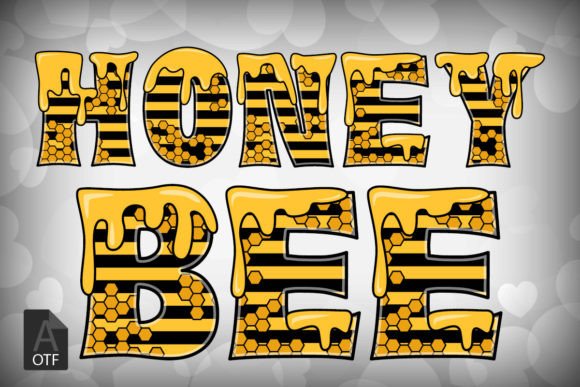
The Honey Bee font is a unique and charming typographic choice that brings a sense of playfulness and whimsy to any design project. Designed with delicate details, this font features soft pastel-colored bee wings on each letter, making it a standout option for those looking to add a touch of magic and creativity to their work. Whether you're designing a children's book, crafting a greeting card, or working on a branding project that needs a lighthearted touch, Honey Bee offers a distinctive visual appeal that can elevate your creative output.
What Makes Honey Bee Stand Out?
Honey Bee is not just another decorative font; it’s a carefully crafted typeface that combines functionality with artistic flair. Each character in the font includes intricate wing designs that are rendered in soft pastel shades, which adds depth and dimension without overwhelming the text. This subtle detail makes the font ideal for projects where a gentle yet eye-catching aesthetic is desired.
The font is particularly well-suited for use in environments where a playful tone is appropriate. Its whimsical nature makes it an excellent fit for educational materials aimed at young children, marketing collateral for brands targeting a family audience, or even personal projects like invitations and social media content.
Key Characteristics of Honey Bee
- Delicate Wing Details: The most notable feature of Honey Bee is the inclusion of small, stylized bee wings on each letter. These wings are designed to be subtle but noticeable, adding a sense of movement and life to the text.
- Soft Pastel Color Palette: The wings come in a range of soft pastel hues, allowing for a variety of color combinations that can complement different design themes and color schemes.
- Versatile Application: While Honey Bee is primarily intended for decorative use, its readability is still maintained due to clear letterforms and balanced spacing. This makes it suitable for both short phrases and longer blocks of text when used appropriately.
- Consistency Across Characters: Despite the ornamental elements, the font maintains a consistent baseline and proportion across all characters, ensuring that text remains legible and visually cohesive.
Who Can Benefit from Using Honey Bee?
Honey Bee is best suited for professionals and creatives who need to convey a sense of fun, innocence, or charm in their work. This includes:
- Children’s Book Illustrators: The whimsical nature of Honey Bee aligns perfectly with the playful tone of children's literature. It can be used for titles, chapter headings, or even within the body of the text to enhance the narrative.
- Graphic Designers and Branding Professionals: For brands targeting a younger demographic or aiming to create a warm, inviting image, Honey Bee can serve as an effective visual tool. It can be incorporated into logos, packaging, or promotional materials to create a memorable impression.
- Event Planners and Invitations Designers: When designing invitations for events such as baby showers, birthday parties, or themed gatherings, Honey Bee can add a delightful and personalized touch that resonates with guests.
- Social Media Creators: Content creators who focus on lifestyle, parenting, or craft-related topics may find Honey Bee useful for creating engaging captions, headlines, or post titles that stand out in a crowded feed.
Practical Use and Real-World Performance
In practice, Honey Bee performs well in a variety of digital and print formats. However, designers should consider the context in which the font will be used. For instance, while the ornamental wings add visual interest, they may not be suitable for large blocks of text or formal documents where a more traditional font would be preferable.
When used in moderation, Honey Bee can enhance the visual storytelling of a design without becoming distracting. It works best when paired with complementary colors and backgrounds that allow the wings to stand out without overpowering the message.
One limitation of Honey Bee is that it may not be suitable for all professional contexts. In highly formal or technical environments, the playful nature of the font could be seen as inappropriate. Additionally, the font may require some customization or adjustment to ensure it aligns with specific brand guidelines or accessibility standards.
Design Recommendations and Best Practices
To make the most of Honey Bee, consider the following tips:
- Use for Short Text Elements: Apply Honey Bee to titles, headings, or short phrases rather than long paragraphs. This ensures that the decorative elements do not interfere with readability.
- Pair with Complementary Fonts: Combine Honey Bee with a clean, sans-serif font for body text to maintain a balance between style and clarity.
- Experiment with Color Schemes: Take advantage of the soft pastel hues by experimenting with different color combinations that match the overall theme of your project.
- Test in Different Formats: Before finalizing a design, test Honey Bee in both digital and print formats to ensure it looks as intended across various mediums.
Honey Bee is a versatile and imaginative font that can bring a unique personality to your design projects. Its combination of whimsy and functionality makes it a valuable asset for anyone looking to add a touch of playfulness to their work. By understanding its strengths and limitations, you can effectively incorporate Honey Bee into your creative workflow and achieve the desired impact on your audience.