Retro Smile: A Playful Font That Bridges Nostalgia and Modern Design
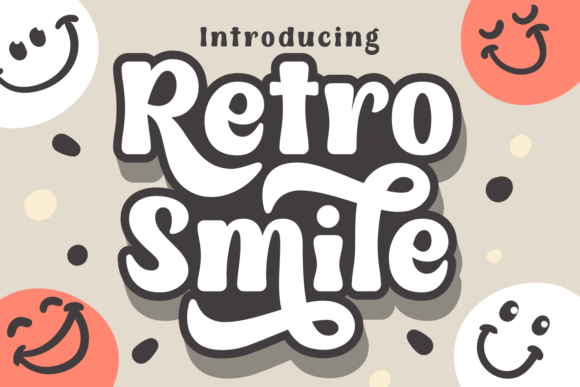
In an era where digital design dominates every screen, finding a font that feels both familiar and fresh can be a challenge. Enter Retro Smile—a charming and playful script display font that effortlessly blends vintage aesthetics with contemporary appeal. With its quirky letterforms and swooping curves, this font adds a touch of whimsy to any design project, making it a favorite among professionals and creatives looking to stand out in a crowded visual landscape.
The Appeal of Retro Smile in Today's Design Landscape
Retro Smile is more than just a font; it’s a design statement. Its vintage vibe taps into a growing trend of nostalgia-driven creativity, where users seek to evoke emotions tied to the past while maintaining a modern sensibility. This duality makes it particularly relevant for brands and individuals aiming to connect with audiences on a personal level.
With the rise of minimalist and clean design trends, fonts like Retro Smile offer a refreshing contrast. They bring warmth, character, and personality to otherwise sterile layouts. Whether used for logos, headlines, or packaging, Retro Smile ensures that the message not only gets noticed but also resonates emotionally.
One of the standout features of Retro Smile is its PUA (Private Use Area) encoding. This means designers have easy access to all the glyphs and ligatures, allowing for greater flexibility and customization. It’s a small detail that speaks volumes about the font’s usability and thoughtfulness in design workflows.
Evolving Trends in Typography and Branding
The typography world has seen a shift from purely functional fonts to ones that tell a story. Consumers today are not just looking for clarity—they’re seeking experiences that feel unique and memorable. Fonts like Retro Smile play a crucial role in this transformation by helping brands create a distinct identity.
As businesses increasingly focus on building emotional connections with their customers, the right font can make all the difference. Retro Smile’s whimsical nature aligns perfectly with this goal. It’s ideal for startups, boutique brands, and creative entrepreneurs who want to convey a sense of fun, authenticity, and approachability.
Moreover, the font’s versatility allows it to adapt across various platforms and mediums. From print to digital, Retro Smile maintains its charm and legibility, ensuring consistency in branding efforts. This adaptability is especially valuable in today’s multi-channel marketing strategies, where a cohesive visual identity is essential.
Practical Applications and Real-World Examples
Retro Smile isn’t just a pretty face—it’s a practical tool for designers and creators. Let’s explore some real-world scenarios where this font shines:
- Logos: A small bakery might use Retro Smile for its logo to create a warm, inviting feel that appeals to nostalgic customers while still feeling modern and fresh.
- Headlines: Bloggers and content creators can leverage Retro Smile to grab attention with eye-catching headlines that stand out from the sea of standard sans-serif fonts.
- Packaging: Eco-friendly product lines can benefit from Retro Smile’s vintage charm, helping them differentiate themselves in a competitive market.
These examples illustrate how Retro Smile can be integrated into different aspects of design without compromising functionality. Its playful yet professional tone makes it suitable for a wide range of industries, from fashion and food to technology and entertainment.
Why Designers Are Turning to Script Fonts Again
Script fonts have long been associated with elegance and sophistication, but they’ve also had a reputation for being difficult to read or too ornate for certain contexts. However, recent advancements in typography have made script fonts more versatile and accessible than ever before.
Retro Smile exemplifies this evolution. Its design balances readability with style, ensuring that it doesn’t sacrifice clarity for aesthetics. The font’s swooping curves and quirky letterforms are intentional, adding visual interest without overwhelming the reader.
This renewed interest in script fonts reflects a broader shift in design philosophy—one that values individuality and expressiveness over uniformity. In a world where personalization is key, Retro Smile offers a way to infuse creativity into every project.
How to Use Retro Smile Effectively
To get the most out of Retro Smile, consider the following tips:
- Pair it with a complementary font: While Retro Smile works well as a standalone display font, pairing it with a clean sans-serif or serif font can enhance readability and balance.
- Use it sparingly: Since it’s a display font, it should be used for headings, logos, or accents rather than large blocks of text.
- Experiment with spacing and kerning: The font’s unique letterforms may require adjustments to ensure optimal spacing and alignment.
By using Retro Smile strategically, designers can create visually compelling compositions that capture attention without sacrificing usability.
The Future of Nostalgic Design
As we move further into the digital age, the demand for nostalgic elements in design continues to grow. Retro Smile is a testament to how the past can inform the future, offering a bridge between tradition and innovation.
Whether you’re a designer, marketer, or entrepreneur, understanding the power of typography is essential. Fonts like Retro Smile remind us that design is not just about visuals—it’s about storytelling, emotion, and connection.
In a rapidly changing world, staying true to one’s brand identity is more important than ever. Retro Smile provides a unique opportunity to do just that, blending the charm of the past with the needs of the present.