Untitled Wood Type: A Strategic Font for Timeless Design and Historical Authenticity
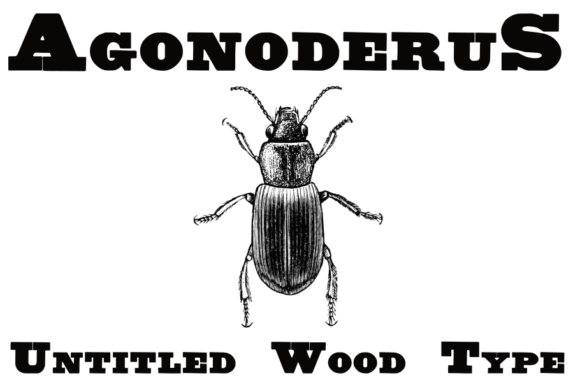
Untitled Wood Type is an antique and ancient serif font that captures the essence of bygone eras, with a classic design that evokes a sense of history and tradition. Its ornate and detailed letters, complete with flourishes and serifs, create a sense of elegance and sophistication that is both visually striking and deeply rooted in typographic heritage. This font is more than just a stylistic choice—it is a strategic tool that can enhance the visual storytelling of your projects when used intentionally.
Understanding the Unique Characteristics of Untitled Wood Type
At first glance, Untitled Wood Type appears to be a relic from the past, but its relevance in modern design cannot be overstated. The font's intricate details and historical authenticity make it ideal for content that aims to evoke nostalgia, authority, or cultural significance. Each letterform is meticulously crafted, reflecting the craftsmanship of early typography. This level of detail is not just aesthetic; it adds weight and credibility to any message it supports.
The use of serif fonts, particularly those with such a rich historical background, is often associated with professionalism and readability in print. However, Untitled Wood Type goes beyond mere legibility—it offers a narrative. When used appropriately, this font can communicate a sense of timelessness, making it a powerful asset for designers, educators, and publishers who want to connect with audiences on a deeper, more emotional level.
Strategic Use Cases for Untitled Wood Type
The thoughtful application of Untitled Wood Type can support a wide range of goals, from branding and marketing to education and publishing. Here are several scenarios where this font can add significant value:
- Museum Exhibits: When designing informational plaques, exhibit titles, or promotional materials for museums, Untitled Wood Type can lend an air of authenticity and gravitas. It aligns with the historical context of the exhibits and enhances the visitor experience.
- Educational Materials: Textbooks, historical documents, or academic publications that aim to convey a traditional or scholarly tone benefit greatly from the use of this font. It helps establish credibility and reinforces the educational purpose of the content.
- Period-Themed Publications: Whether you're creating a magazine inspired by the 19th century or designing a booklet for a reenactment event, Untitled Wood Type provides the visual consistency needed to maintain the thematic integrity of the project.
- Branding and Packaging: For businesses that want to evoke a sense of tradition or luxury, incorporating Untitled Wood Type into logos, packaging, or marketing collateral can help differentiate them from competitors and resonate with target audiences who appreciate heritage and craftsmanship.
Each of these use cases demonstrates how Untitled Wood Type can be leveraged strategically to achieve specific outcomes. The key lies in understanding the audience and ensuring that the font complements the overall message rather than overshadowing it.
Planning and Decision-Making: How to Approach Untitled Wood Type
Before integrating Untitled Wood Type into a project, it’s important to consider several factors to ensure it serves your intended purpose effectively:
- Context and Audience: Consider the setting in which the font will be used. Will it be on a website, in print, or as part of a digital presentation? Who is the target audience? Understanding these elements will help determine whether Untitled Wood Type is the best fit.
- Legibility and Readability: While the ornate style of Untitled Wood Type is visually appealing, it may not be suitable for all contexts. Ensure that the font remains readable, especially in smaller sizes or when used extensively.
- Contrast and Pairing: To avoid overwhelming the reader, pair Untitled Wood Type with simpler, sans-serif fonts for body text. This contrast can create a balanced and professional look while maintaining the desired aesthetic.
- Consistency: If using Untitled Wood Type across multiple platforms or documents, maintain consistency in its application. This ensures a cohesive brand identity and prevents confusion among users.
By carefully planning the use of Untitled Wood Type, you can maximize its impact and avoid potential pitfalls that may arise from misapplication.
Potential Risks and Considerations
While Untitled Wood Type offers many benefits, there are also risks to consider if it is not used thoughtfully. One of the primary concerns is overuse. Applying this font excessively can lead to visual clutter, reducing the clarity of the message being conveyed. Additionally, in digital formats, the font may not render consistently across different devices or browsers, which could affect the user experience.
Another consideration is accessibility. Ornate fonts like Untitled Wood Type can be challenging for individuals with visual impairments or dyslexia. In such cases, it is advisable to use this font sparingly or pair it with more accessible alternatives for body text.
To mitigate these risks, it’s essential to test the font in various environments and ensure that it meets the needs of all potential users. Always prioritize usability without compromising the visual appeal that Untitled Wood Type brings to the table.
Conclusion: Leveraging Untitled Wood Type for Long-Term Value
In conclusion, Untitled Wood Type is a versatile and historically rich font that can significantly enhance the visual and emotional impact of your projects when used strategically. Its unique characteristics make it well-suited for a variety of applications, from museum exhibits to period-themed publications. However, success with this font depends on thoughtful planning, clear objectives, and an understanding of its strengths and limitations.
By considering the context, audience, and practical implications of using Untitled Wood Type, you can ensure that it contributes meaningfully to your communication efforts. Whether you're an educator, marketer, designer, or publisher, this font offers a valuable opportunity to connect with your audience in a way that is both authentic and impactful.