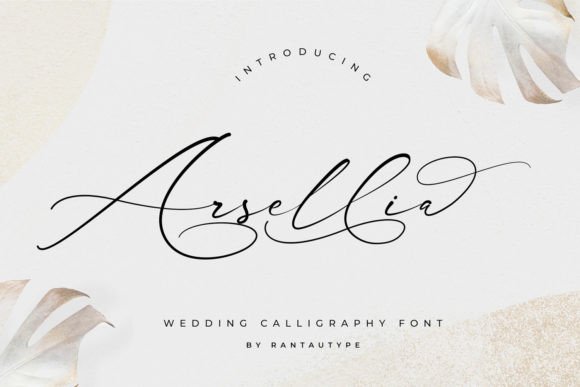
Why Arsellia Is a Great Choice for Watermarks and Design Projects
Arsellia is a versatile and visually appealing font that has gained popularity among designers, photographers, and creative professionals. Its clean lines, elegant curves, and readability make it an excellent choice for a wide range of design applications. Whether you're looking to add a watermark to your photography, create a signature logo, or enhance the visual appeal of album covers and business cards, Arsellia offers a unique blend of style and functionality that can elevate your projects.
For many creators, the challenge lies in finding a font that stands out without overpowering the content it's paired with. Arsellia addresses this by offering a balance between sophistication and subtlety. It’s designed to be legible even at smaller sizes, making it ideal for use in watermarks where clarity is essential. Additionally, its versatility allows it to fit seamlessly into both modern and traditional design aesthetics, ensuring that it remains a go-to option for various creative endeavors.
Understanding the Role of Watermarks in Photography
Watermarks play a crucial role in protecting intellectual property and adding a personal touch to digital images. They serve as a visual identifier of ownership and can deter unauthorized use of your work. However, choosing the right watermark can be tricky. It needs to be visible enough to assert ownership but not so intrusive that it detracts from the image itself.
Arsellia excels in this area due to its minimalist yet distinctive design. When used as a watermark, it maintains a professional appearance while subtly reinforcing the photographer’s brand. The font’s consistent weight and spacing ensure that it doesn’t distort the image or interfere with the subject matter. This makes it particularly well-suited for high-resolution photographs where detail is paramount.
Applications Beyond Watermarking
While Arsellia shines as a watermark font, its uses extend far beyond that. Designers often seek fonts that can adapt to multiple contexts, and Arsellia delivers on that front. Here are some practical applications where Arsellia can make a significant impact:
- Signature Logo Designs: A well-designed logo is the cornerstone of a brand's identity. Arsellia's elegant structure lends itself perfectly to creating logos that convey professionalism and creativity. Its ability to maintain clarity at different sizes ensures that your logo remains recognizable across various mediums, from business cards to large banners.
- Quotes and Typography Art: Typography art is a powerful way to communicate messages visually. Arsellia's flowing characters make it ideal for designing quotes that are both aesthetically pleasing and easy to read. Whether you're creating a quote poster or a social media graphic, Arsellia adds a touch of refinement.
- Album Covers and Magazines: In the world of print and digital publishing, typography plays a vital role in attracting attention and setting the tone. Arsellia’s versatility allows it to complement both artistic and editorial layouts. Its clean aesthetic ensures that text elements stand out without overwhelming the visuals.
- Business Cards: Business cards are a small but impactful tool for networking. Arsellia’s sleek design helps create a polished look that reflects professionalism. Its readability ensures that important contact information is clear and easy to decipher at a glance.
How Different Users Approach Arsellia
Depending on their needs and preferences, users may approach Arsellia differently. For example, a photographer might prioritize using Arsellia as a watermark to protect their work, while a designer could focus on integrating it into branding materials. Understanding these varied approaches can help you leverage Arsellia more effectively based on your specific goals.
Photographers who value simplicity and elegance might appreciate how Arsellia blends into the background of their images without drawing too much attention. On the other hand, designers who want to make a bold statement might experiment with different weights or colors of Arsellia to create striking contrasts.
It’s also worth considering the context in which Arsellia will be used. For instance, when designing a magazine cover, a lighter weight of Arsellia might be more appropriate to maintain a clean layout. Conversely, for a business card, a bolder weight could enhance visibility and professionalism.
Considerations for Using Arsellia Effectively
To get the most out of Arsellia, it’s important to consider several factors. First, always ensure that the font is licensed for commercial use if you’re incorporating it into client projects. Many free fonts come with restrictions, so verifying the licensing terms is essential.
Second, pay attention to spacing and alignment. Even the best font can appear unprofessional if not properly formatted. Tools like Adobe Photoshop or Illustrator offer advanced typographic controls that can help you fine-tune the placement and appearance of Arsellia in your designs.
Lastly, think about the color palette you're working with. Arsellia works well with a variety of colors, but experimenting with complementary hues can enhance its visual impact. Subtle gradients or textures can also add depth and interest to text created with Arsellia.
In conclusion, Arsellia is more than just a font—it’s a valuable asset for anyone involved in design, photography, or branding. Its adaptability, readability, and aesthetic appeal make it a great choice for watermarks, logos, quotes, and more. By understanding its strengths and considering how to use it effectively, you can unlock new creative possibilities and elevate your design projects to the next level.